Autumn Watercolor. Cozy Season
As an embroidery designer and product reviewer, I’ve seen my fair share of digital designs—some that work beautifully in real projects, and others that fall flat when stitched. Autumn Watercolor. Cozy Season is one of the latter. It has a soft, nostalgic charm, but its execution leaves room for improvement when it comes to practical use in real embroidery projects.
The First Impression: A Warm, Nostalgic Mood
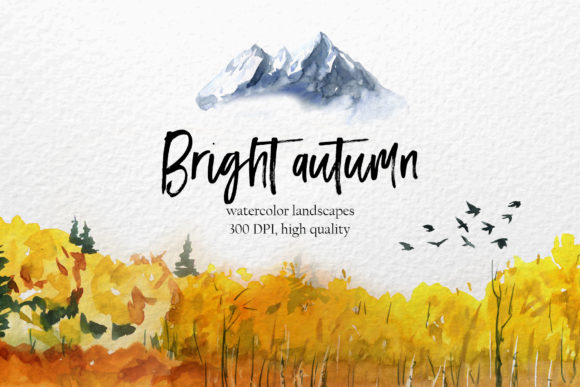
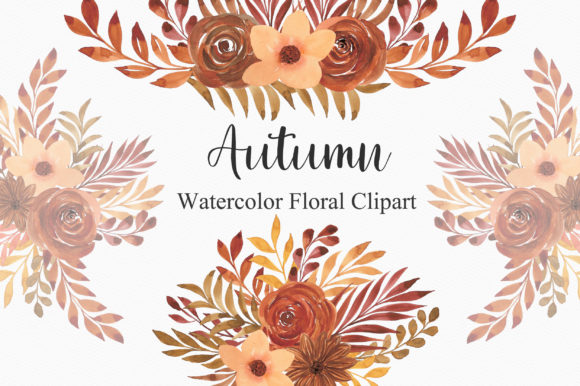
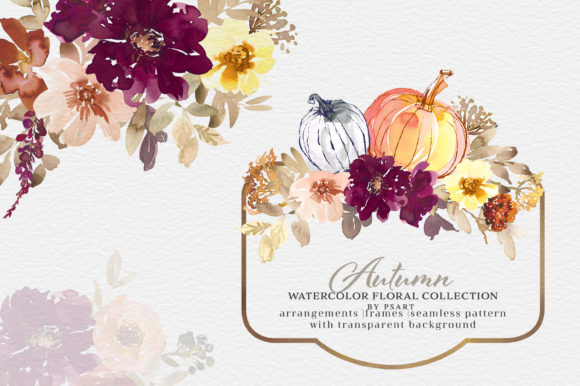
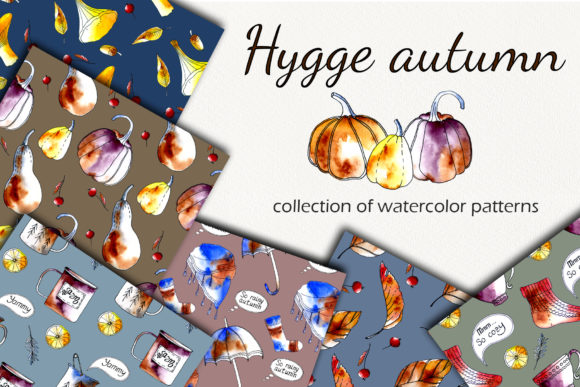
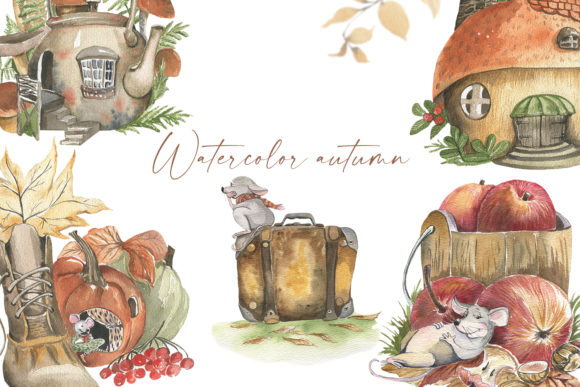
Autumn Watercolor. Cozy Season immediately evokes a sense of calm and comfort. The design features muted tones of orange, brown, and beige, with soft watercolor-style brushstrokes that suggest falling leaves, cozy blankets, and autumnal evenings. It’s a visual mood booster, perfect for those who want to add a touch of seasonal warmth to their work.
The layout is balanced, with a central focal point that could work well on a tote bag or a sweatshirt. However, the details are somewhat abstract, which makes it less suitable for intricate projects like baby items or personalized gifts where clarity is key.
Real-World Use: Where It Fits and Where It Fails
When considering where to place Autumn Watercolor. Cozy Season, the ideal applications are large, flat surfaces like tote bags, pillow covers, or aprons. These allow the design to breathe and maintain its visual appeal without being cramped. It also works well as a decorative element on larger apparel pieces, such as sweatshirts or jackets.
However, this design struggles in smaller formats. On a cap or a baby onesie, the details get lost. The stitch density is light, which means it doesn’t hold up well on textured or stretchy fabrics. If you’re planning to use it on a thin fabric or a dark background, you’ll need to adjust thread colors carefully to ensure visibility.
For commercial embroidery projects, especially those targeting small shops or Etsy sellers, this design may not be the best choice. Its lack of sharp edges and minimal detail can make it look generic, which might not align with the premium feel many handmade or boutique products aim for.
Design Performance: What Works and What Doesn’t
Autumn Watercolor. Cozy Season uses a combination of satin stitch and fill stitch, which gives it a smooth, painterly look. But the overall stitch density is low, which can lead to a “flat” appearance when stitched. This is fine for casual projects, but if you’re aiming for a professional finish, you may need to adjust the design or add more texture.
One of the biggest issues is how the design handles small details. The corners are rounded and soft, which is great for a watercolor effect, but it can make the design look incomplete if not properly stabilized. For embroidered patches or applique designs, this could be a problem, as the edges may not hold up well over time.
Another concern is the compatibility with different hoop sizes. The design is best suited for larger hoops, as smaller ones will force the design to be cropped or scaled down, leading to loss of detail. If you’re using a machine embroidery design for a custom apparel project, always test it on scrap fabric first to see how it translates.
Where to Use It Carefully: Practical Considerations
If you’re an Etsy seller or a craft business owner, you’ll want to be cautious about where you place Autumn Watercolor. Cozy Season. On thick or textured fabrics, the design may not show up clearly, and on dark backgrounds, the colors can fade into the fabric. This makes it less ideal for holiday gifts or high-end merchandise where visual impact matters.
It also doesn’t perform well on curved surfaces like caps or hats. The design’s soft edges don’t translate well to rounded shapes, and the stitching may pull or distort. For embroidered patches or applique designs, consider adding a border or outline to help define the shape.
For commercial embroidery projects, make sure to check the licensing terms before selling finished products or digital files. Even if the design looks good, legal issues can arise if the usage rights aren’t clear.
Design Notes for Embroidery Professionals
Before committing to any embroidery project, I always recommend testing the design on scrap fabric. This helps you see how the stitches interact with the material and whether the thread colors contrast enough. For Autumn Watercolor. Cozy Season, I’d suggest trying it on both light and dark backgrounds to see how it performs in different settings.
Stabilizer is another critical factor. Without proper support, the design may pucker or shift during stitching, especially on stretchy or thin fabrics. If you’re using this on a baby item or a delicate garment, invest in a good stabilizer to ensure the design stays in place.
Finally, review the stitch density. If the design feels too sparse, consider adding a few running stitches or adjusting the fill pattern to give it more depth. This can make a big difference in the final appearance, especially for handmade products that need to stand out.
Final Thoughts: A Design for Nostalgia, Not Perfection
Autumn Watercolor. Cozy Season is a design that appeals to the heart rather than the eye. It’s perfect for those looking to add a warm, seasonal touch to their work, but it’s not the best choice for precision-driven projects. If you’re an embroidery designer, small business owner, or craft seller, consider where this design fits best—and where it might fall short.
For now, I’d say this is a design worth using for casual, non-commercial projects. But if you’re aiming for a polished, professional finish, you may want to look for something with more structure and clarity.