Watercolor Anemone Patterns and Borders
First Impressions: A Delicate, Flowing Design
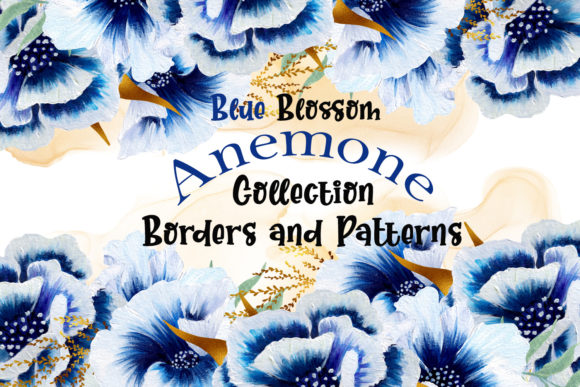
The Watercolor Anemone Patterns and Borders immediately evoke a soft, whimsical mood. The design features fluid, organic shapes that resemble the gentle movement of water, with delicate petals and intricate borders that feel hand-painted. This is not a bold or structured design—it’s more about capturing the essence of a watercolor painting, with subtle gradients and soft edges.
The layout is balanced but not rigid, making it ideal for projects that require a touch of elegance without overwhelming the overall aesthetic. The detail level is moderate, with enough visual interest to stand out on its own but not so dense that it becomes difficult to stitch or manage in tight spaces.
This design feels most at home on items like tote bags, baby clothes, or holiday gifts where a gentle, artistic touch is appreciated. It’s not the best fit for something like a sports jersey or a high-contrast logo, but for handmade products, personalized gifts, or boutique merchandise, it has a lot to offer.
Real-Life Use: How It Stands Up to Embroidery
Testing the Watercolor Anemone Patterns and Borders on different fabrics and projects reveals its versatility. On a cotton tote bag, the design looks fresh and natural, with the watercolor effect coming through clearly. On a sweatshirt, it adds a subtle flair without being too busy. For baby items, the softness of the pattern pairs well with the delicate nature of the product.
One challenge is maintaining clarity on darker fabrics. While the design works on light backgrounds, it can become less visible when placed on black or dark gray. This means careful consideration of thread color contrast is essential, especially if the design is going to be used on a variety of garments or products.
For custom apparel, the Watercolor Anemone Patterns and Borders can be a great accent. It works well as an applique design or as a satin stitch and fill stitch combination. However, the design’s softer edges may not hold up as well on stretchy or textured fabrics, where the embroidery could appear distorted or blurred.
When used on patches or small items like caps, the design requires a larger hoop size to ensure all details are captured properly. Smaller hoop sizes may result in parts of the design being cut off or stitched unevenly, which can affect the final look.
Where to Be Careful: Limitations and Considerations
While the Watercolor Anemone Patterns and Borders is visually appealing, there are some situations where it may not perform as expected. On thin or stretchy fabrics, the design may lose some of its definition, especially if the stabilizer isn’t properly applied. This is important for items like t-shirts or baby onesies, where comfort and fit matter just as much as appearance.
On curved surfaces like caps or hats, the design may need some adjustment to maintain its shape. The flowing nature of the pattern can make it challenging to align perfectly on rounded areas, so careful placement is key. Similarly, on items that will be washed frequently, such as kitchen towels or aprons, the design’s longevity depends on proper stitching techniques and quality thread.
If the design is going to be used on layered garments or in combination with other elements, it’s worth testing how it interacts with other embroidery layers. The Watercolor Anemone Patterns and Borders is best used as a standalone element rather than a background or overlay, as it can get lost in complex compositions.
Impact on Visual Appeal and Customer Perception
When used correctly, the Watercolor Anemone Patterns and Borders can elevate the visual appeal of any project. Its soft, artistic style makes it ideal for handmade products that aim to stand out in a crowded market. For Etsy sellers or small shop owners, this design offers a unique option that can attract customers looking for something different from standard floral or geometric patterns.
The design also enhances the perceived value of a finished product. A well-stitched Watercolor Anemone Pattern can make a tote bag or pillow cover feel more exclusive and artisanal, which can justify a higher price point. It also helps build customer trust, as the attention to detail and quality of the design reflect the seller’s craftsmanship.
From a branding perspective, the Watercolor Anemone Patterns and Borders can be a strong asset for businesses that want to maintain a consistent, cohesive look across their product line. Whether it’s used on seasonal items, holiday gifts, or everyday accessories, it adds a touch of sophistication that aligns with many modern aesthetic trends.
Practical Designer Notes: Tips for Using the Design
Before committing to a project, test the Watercolor Anemone Patterns and Borders on scrap fabric. This allows you to see how the design translates in real life and identify any potential issues early on. Pay close attention to the stitch density—too much can cause the design to look cluttered, while too little may make it appear weak or incomplete.
Ensure the hoop size is appropriate for the design’s dimensions. If the design is large, use a full-size hoop to avoid cutting off parts of the pattern. Also, check that the design works well in both black and white mockups, as this can help determine how it will look on different fabric colors.
When using the design for commercial projects, always confirm the licensing terms. Some designs may have restrictions on how they can be used, especially if they’re intended for resale or digital distribution. For craft businesses, this is crucial to avoid legal complications down the line.
Finally, consider how the design will be presented. Whether it’s part of an Etsy listing, a printable mockup, or a digital product preview, the Watercolor Anemone Patterns and Borders should be showcased in a way that highlights its beauty and uniqueness. This can significantly impact buyer engagement and conversion rates.